
AVAILABLE
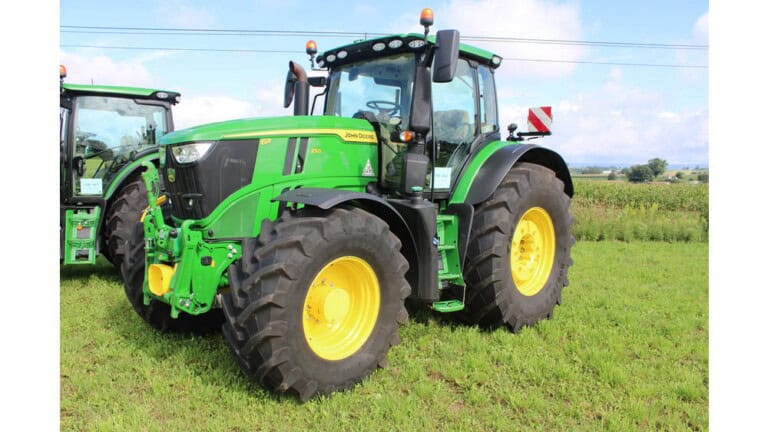
2023 John Deere 6R 250
Myerstown, Pennsylvania
Stock #AY007B 1,350 hours — reported
Asking price$214,999
Previously $220,000
View equipment
Browse used tractors, hay tools, planters, combines, and other equipment for the work ahead.


Start with the job you need to do, then compare the machines that fit your acres, crop, and schedule. Browse tractors, planting and harvest equipment, hay tools, and grain handling equipment by category.
Browse available farm equipment or narrow your search.
Myerstown, Pennsylvania
Stock #AY007B 1,350 hours — reported
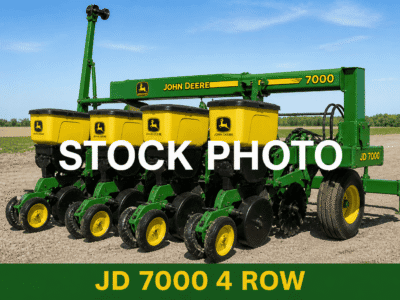
Montgomery, Indiana
Stock #ES130B
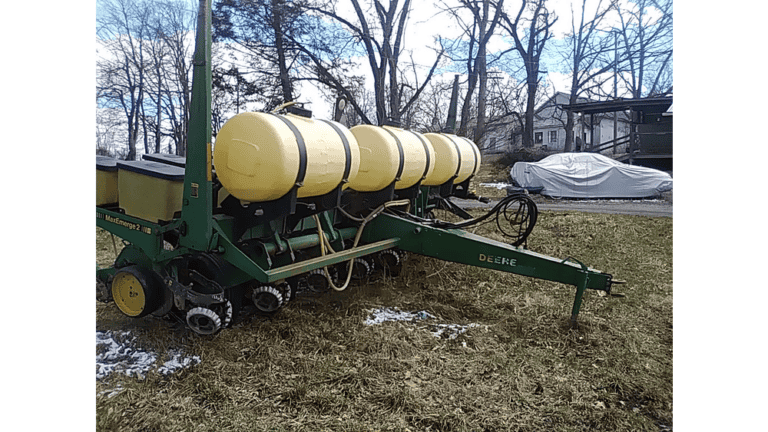
Watsontown, Pennsylvania
Stock #AY015
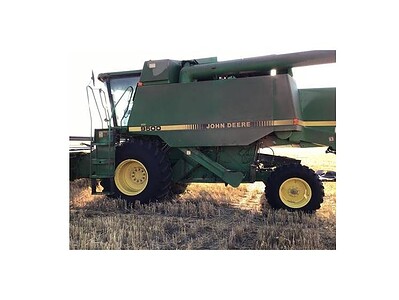
Watford City, North Dakota
Stock #ES030
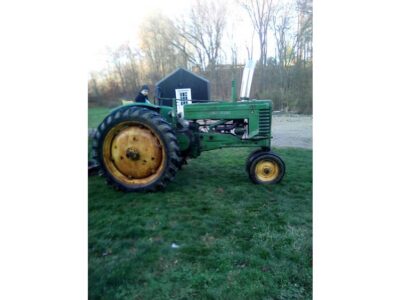
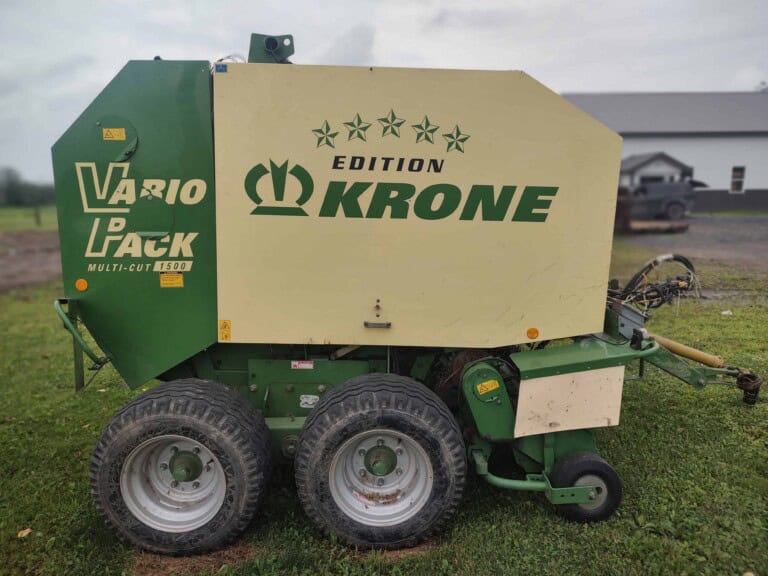
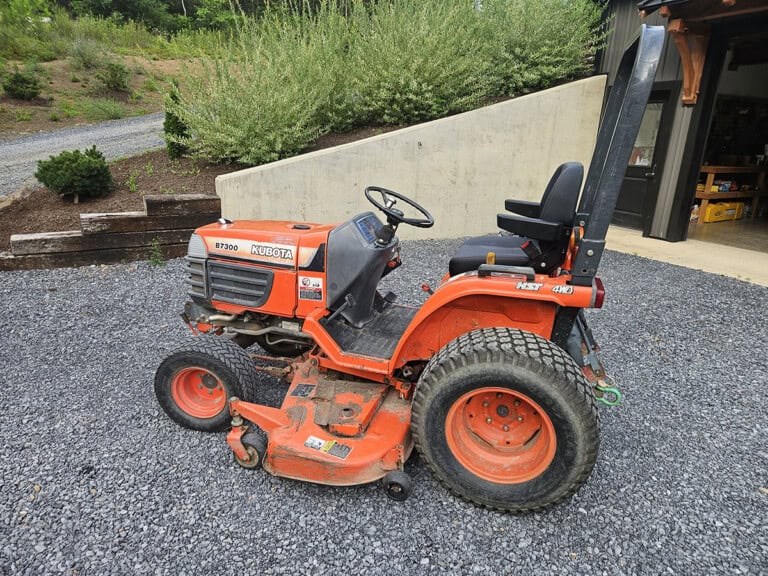
Millerstown, Pennsylvania
Stock #ES251 1,500 hours — reported
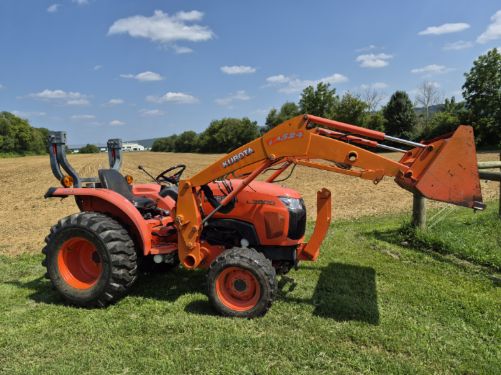
East Earl, Pennsylvania
Stock #JL045 1,146 hours — reported
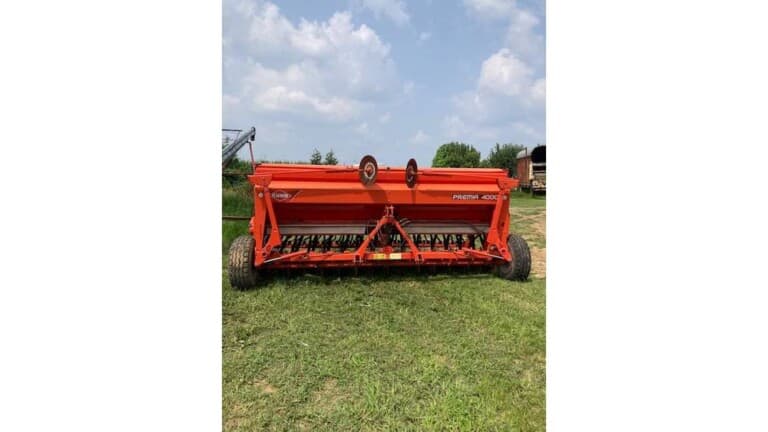
New Holland, Pennsylvania
Stock #AM009C
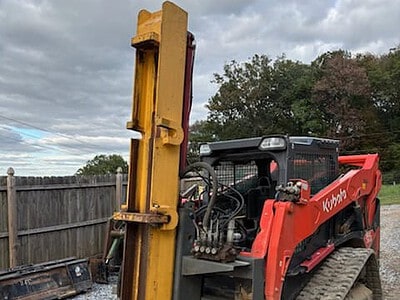
Christiana, Pennsylvania
Stock #ES116
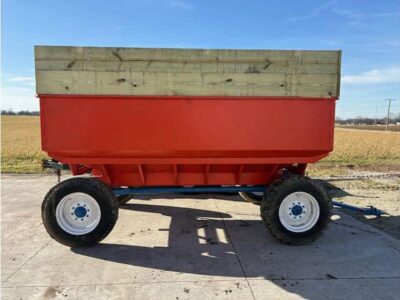

$4.81 per bushel
· Monthly average received by farmers
USDA corn prices$5.695 per gallon
· Weekly retail average including taxes
EIA national and regional diesel pricesUse the Corn Break-Even Price calculator below to add your break-even line.
| Month | Price per bushel |
|---|---|
| Apr 2026 | $4.31 |
| May 2026 | $4.48 |
| Jun 2026 | $4.28 |
| Jul 2026 | $4.26 |
| Aug 2026 | $4.45 |
| Sep 2026 | $4.81 |