
AVAILABLE
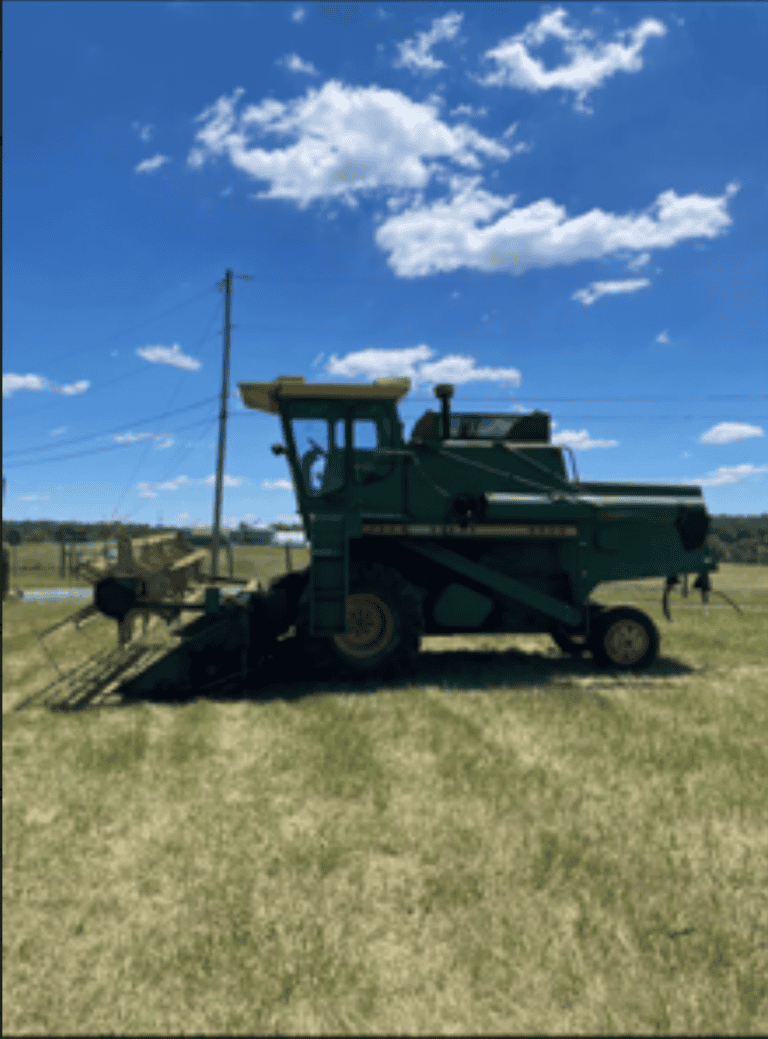
JOHN DEERE 6600
Gettysburg, Pennsylvania
Stock #JL061
Asking price$6,500
Previously $8,500
View equipment
Compare combines by crop, header fit, threshing system and the time you have to harvest.
Gettysburg, Pennsylvania
Stock #JL061
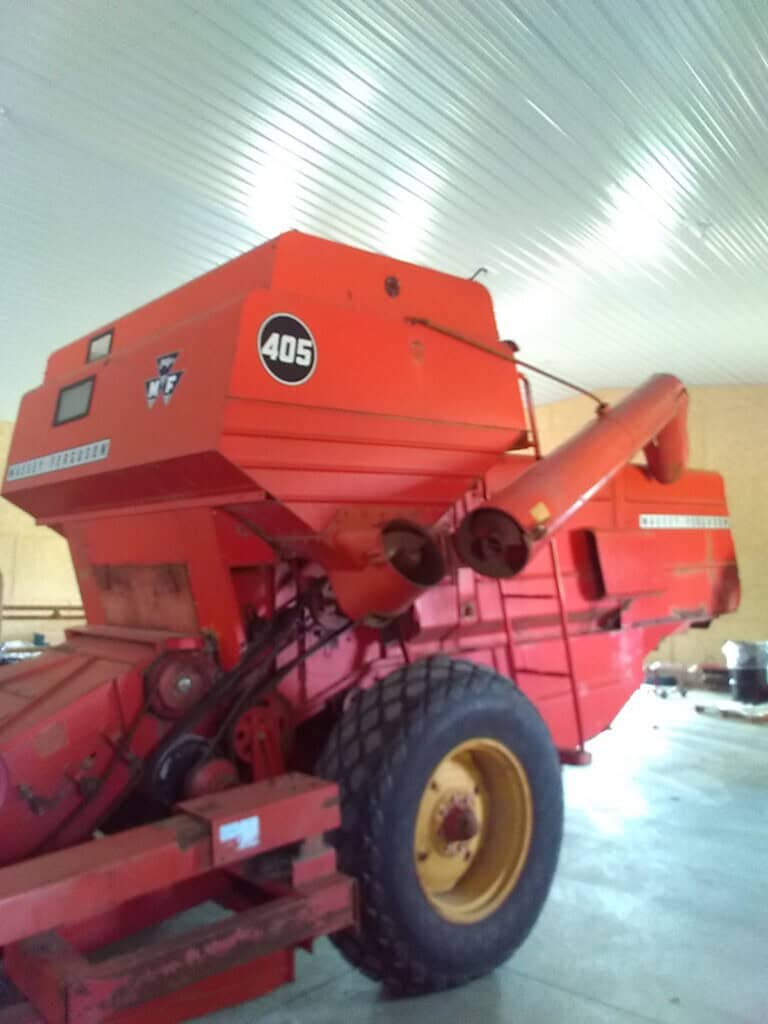
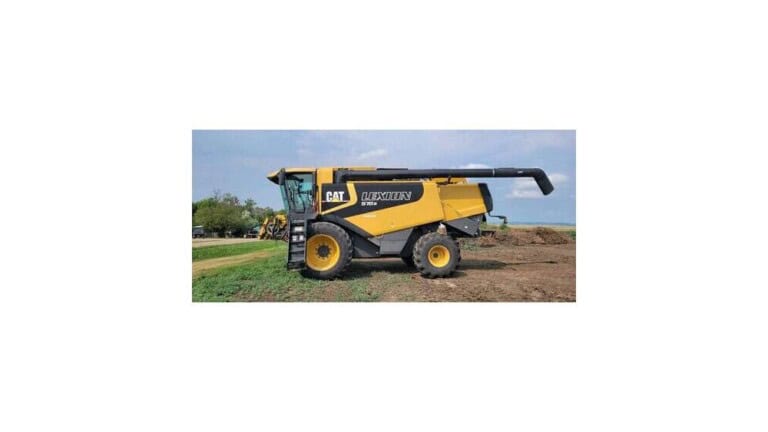
Fort Rice, North Dakota
Stock #ES008
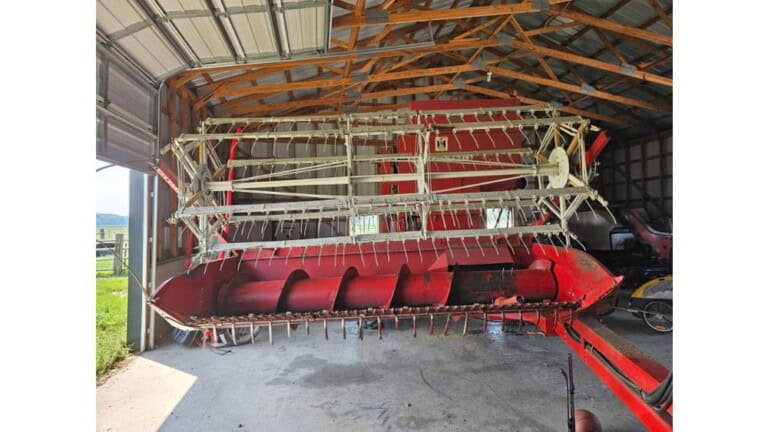
New Haven, Indiana
Stock #ES011
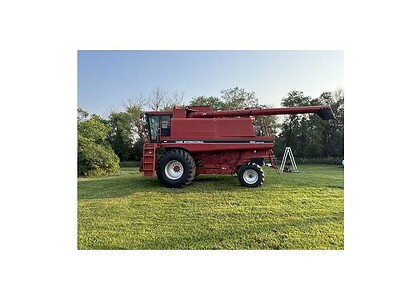
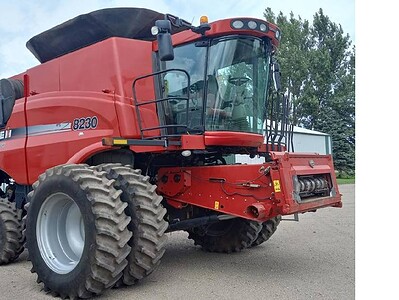
Clifford, North Dakota
Stock #ES027 2,365 separator hours — reported
10 available combines
Approximate city-centre locations for all matching listings.
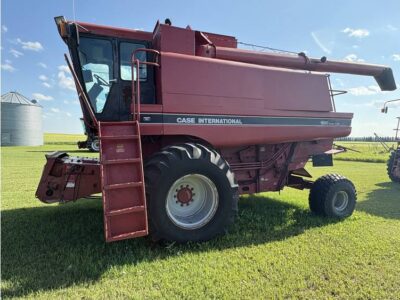
Start with the crop, the head you need and the days you usually get to harvest. Budget for the head, adapters and first-season wear parts alongside the asking price.
A self-propelled machine carries its own engine and drive. Check transmission or hydrostatic response when warm, and price the haul with the head removed. For a pull-type combine, confirm the tractor’s PTO speed and power, drawbar and hydraulic requirements, and parts availability. Ask the seller to confirm the setup when the listing leaves it open.
Rotary combines use a rotor for threshing and separation. Conventional machines use a cylinder and straw walkers. If you bale straw, ask to see the residue and check the chopper settings. For either design, ask how it handled your crop and moisture range and how the operator checked grain loss.
Get both model and serial numbers. Compare the feederhouse latch and opening, drive couplers and speeds, electrical plugs and height controls. For corn, check row count and spacing. Get a written list of included heads, carts, adapters and controls before comparing prices.
Use a recent field’s yield and the acres you expect to cut per hour to estimate bushels coming off the field each hour. Compare that with the bushels your wagons or trucks can move on a full trip to the bin and back, including unloading time. If hauling sets the pace, account for another wagon or driver when comparing combines.
Enter your acres and working conditions to compare header sizes. Allow separately for road travel, service, weather and breakdowns.
Use field efficiency to account for turns, overlap and unloading. See the Iowa State Extension field capacity method.