


John Deere Tractors for Sale
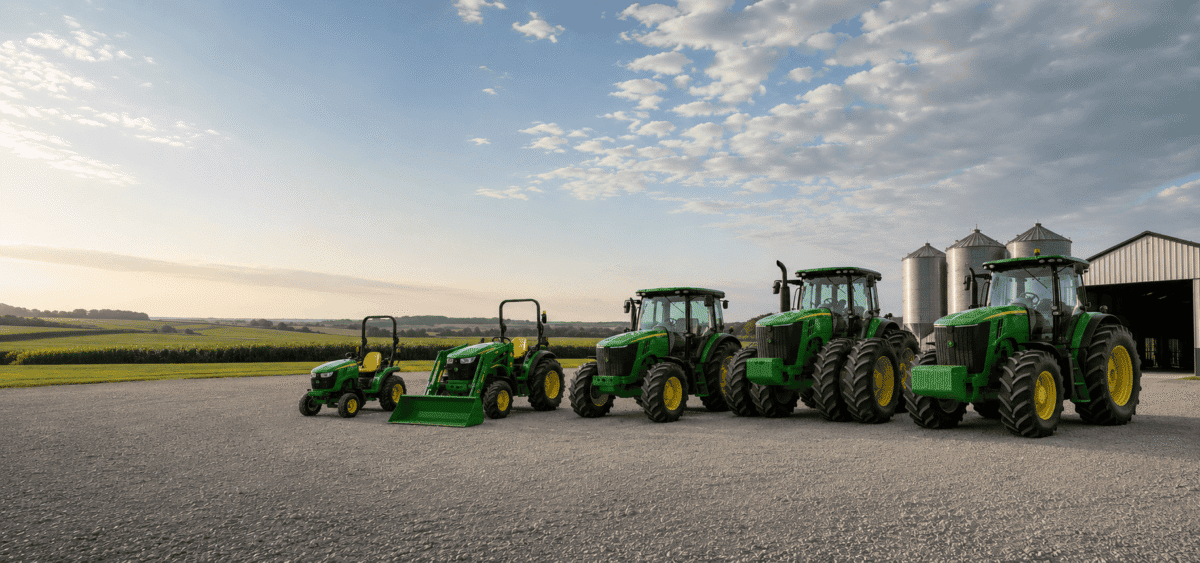
When you are searching for John Deere tractors for sale, it helps to start with a marketplace that understands both the equipment and the buying process. John Deere tractors are used across farms, acreages, livestock operations, hay fields, construction support jobs, municipalities, and rural properties because they offer a wide range of sizes, horsepower options, transmission choices, cab configurations, and implement compatibility.
At Trustworthy Equipment LLC, we help buyers find available John Deere tractors from private sellers, farms, contractors, dealers, and owner-operated businesses across the country. Listings may include compact tractors, utility tractors, loader tractors, MFWD tractors, cab tractors, row-crop tractors, and higher-horsepower field tractors. Because every tractor has its own history, condition, hours, maintenance background, and setup, we focus on helping buyers review the details that matter.
Trustworthy Equipment is not an auction, dealer, or broker. We do not take possession of equipment, and we do not handle buyer funds. Instead, we help advertise equipment, generate exposure, screen interest, and connect serious buyers directly with sellers. When available, we can also help buyers explore financing and shipping resources, making the buying process more convenient from the first look to the final conversation.
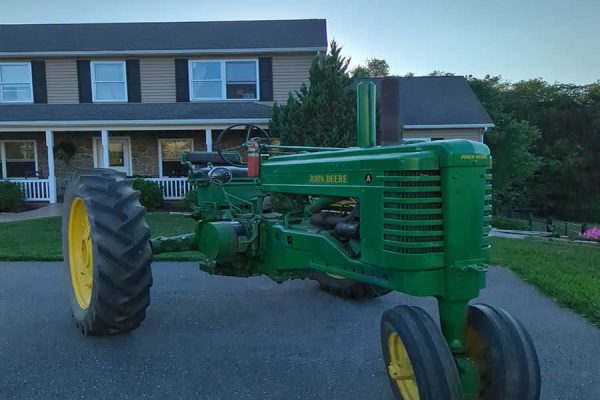
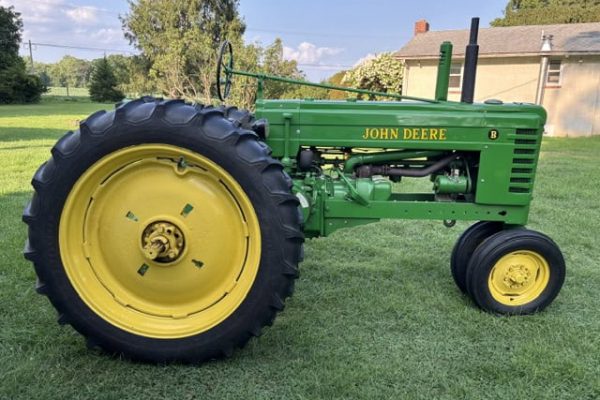
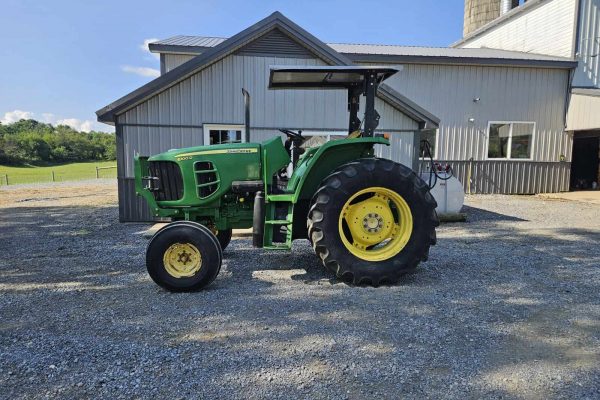
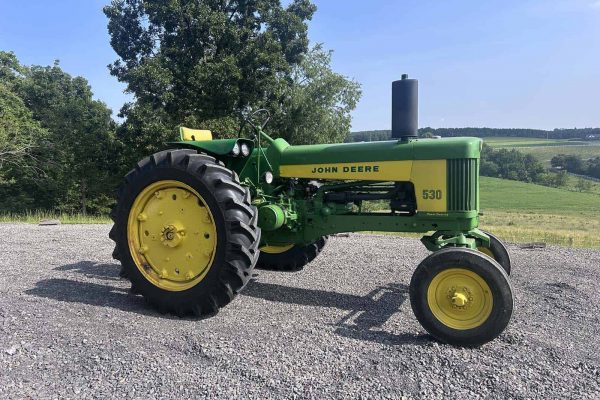
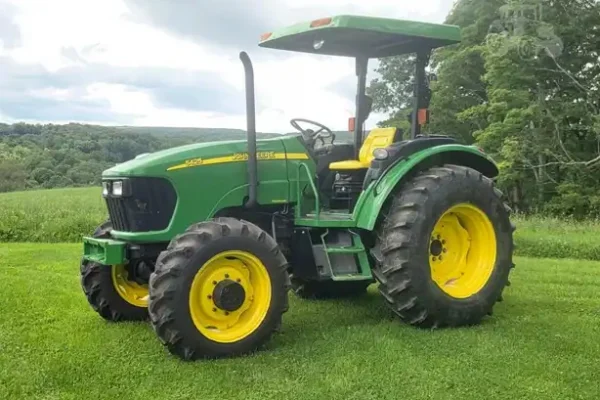
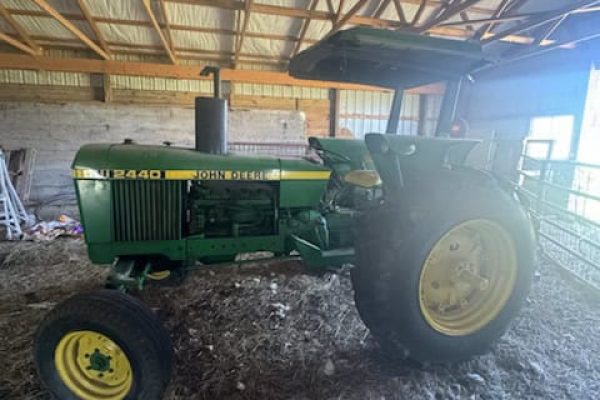
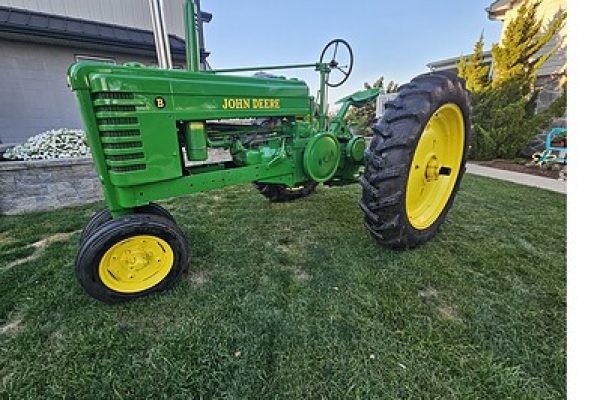

SOLD
Buyer's Guide
Buying a used John Deere tractor starts with matching the machine to the work you need it to perform. A compact John Deere tractor may be a strong fit for acreage work, loader jobs, mowing, tilling, snow removal, landscaping, and property maintenance. A utility tractor is usually better suited for hay work, livestock chores, feeding, mowing larger areas, pulling implements, and handling heavier loader work. Meanwhile, John Deere row-crop tractors are commonly chosen for field operations, planting, tillage, grain handling, manure work, and high-acreage farm use.
Before comparing price alone, look closely at hours, condition, service history, and how the tractor has been used. Lower hours can be attractive, but maintenance matters just as much. Ask whether the engine oil, filters, hydraulic fluid, transmission service, coolant, and final drives have been maintained on schedule. Also check for cold-start behavior, smoke, blow-by, warning lights, unusual noises, leaks, overheating, and drivetrain issues.
For John Deere tractors with loaders, inspect the loader arms, bucket, pins, bushings, cylinders, hoses, quick-attach plate, and joystick operation. Excessive slop, weld repairs, or leaking cylinders may indicate heavy use. If the tractor is MFWD or 4WD, confirm that the front axle engages properly and listen for popping, grinding, or binding when turning.
Transmission type also matters. Many John Deere buyers look for hydrostatic transmissions on compact tractors because they are easy to operate for loader and property work. On larger utility and row-crop tractors, buyers may compare PowrReverser, PowerQuad, AutoQuad, IVT, powershift, or other transmission options depending on the model and year. During an inspection, test every range, gear, shuttle function, clutch response, brake function, and parking brake.
PTO and hydraulics are especially important if you plan to run balers, mowers, cutters, augers, tillers, planters, sprayers, or other implements. Verify PTO speed, PTO engagement, rear remote count, three-point hitch operation, lift capacity, hydraulic response, and any signs of weak pumps or internal leaks. Tire condition should also be factored into the offer because rear tractor tires, duals, or front MFWD tires can represent a major cost.
Finally, review the cab, electronics, guidance equipment, display monitors, lights, air conditioning, heat, seat condition, glass, doors, and controls. On newer John Deere tractors, technology and emissions systems can add value, but they should be checked carefully. Whenever possible, request clear photos, videos, maintenance records, serial number information, and a live walkaround before making a buying decision.
Seller's Guide
Selling a John Deere tractor successfully starts with giving buyers the details they need to feel confident. Because John Deere tractors are popular across many types of operations, buyers often compare several listings before reaching out. A strong listing should clearly explain the year, model, horsepower, hours, drive type, transmission, PTO setup, rear remotes, three-point hitch, loader details, tire condition, cab condition, recent service, known issues, and included attachments.
Photos matter. Sellers should include clear exterior photos from all sides, along with close-ups of the tires, loader, bucket, drawbar, PTO, three-point hitch, hydraulic remotes, cab interior, dash, hour meter, serial number plate, engine compartment, and any areas with wear or repairs. If the tractor has duals, front weights, rear weights, quick hitch, guidance equipment, suitcase weights, bale spear, forks, or mower attachments, those should be shown as well.
Buyers also want to understand the tractor’s story. For example, was it used for hay production, row-crop work, livestock chores, snow removal, mowing, loader work, or general farm maintenance? Has it been stored indoors? Was it owned by a farm, municipality, contractor, acreage owner, or dealer? Are there service records, manuals, receipts, or recent repairs? These details help separate a serious listing from a vague one.
Trustworthy Equipment helps sellers present John Deere tractors professionally and place them in front of serious buyers. We help market listings, create exposure, organize key equipment details, screen interest, and connect buyers directly with sellers. Since we are not an auction, dealer, or broker, sellers stay in control of the equipment, pricing, negotiations, and final sale. That approach helps sellers get marketplace visibility while still handling the transaction directly.
Find or Sell a John Deere Tractor with Confidence
Browse available John Deere tractors for sale and connect directly with sellers who know the equipment. If you have a John Deere tractor to sell, Trustworthy Equipment can help market your listing, screen interest, and put your machine in front of serious buyers. We are not an auction, dealer, or broker, and sellers stay in control of the final sale.
FAQS
John Deere tractors remain a strong search category because the brand covers such a wide range of equipment needs. Buyers may be looking for a small John Deere compact tractor for property maintenance, a used John Deere utility tractor for livestock and hay work, or a high-horsepower John Deere row-crop tractor for planting, tillage, and field operations. Because the same brand serves many different buyers, a marketplace page needs to help visitors narrow their search by size, features, condition, and intended use.
A marketplace approach is especially helpful because used John Deere tractors can vary widely by region, setup, and ownership history. One tractor may be a clean acreage machine with low hours and a loader. Another may be a high-hour farm tractor that has been well maintained and is still ready for daily work. Some buyers prioritize cab comfort, MFWD, loader compatibility, and ease of use, while others focus on PTO horsepower, hydraulic capacity, rear remotes, duals, guidance readiness, and field productivity.
Transport is another important consideration. A compact tractor may be easier to move with the right trailer, while a larger row-crop tractor may require commercial hauling, route planning, and loading assistance. Buyers should factor shipping into the total cost before making an offer, especially when shopping nationwide. When available, Trustworthy Equipment can help connect buyers with shipping resources so they can better understand logistics before finalizing a deal.
Financing can also play a role, particularly for higher-value John Deere tractors. Some buyers need a tractor immediately for seasonal work, hay production, planting, livestock chores, or property maintenance. Having optional financing resources available can make it easier to move forward when the right tractor becomes available.
For sellers, marketplace exposure helps reach buyers beyond a local classified ad. For buyers, it creates a central place to compare available John Deere tractors and connect directly with the people who know the equipment best.